
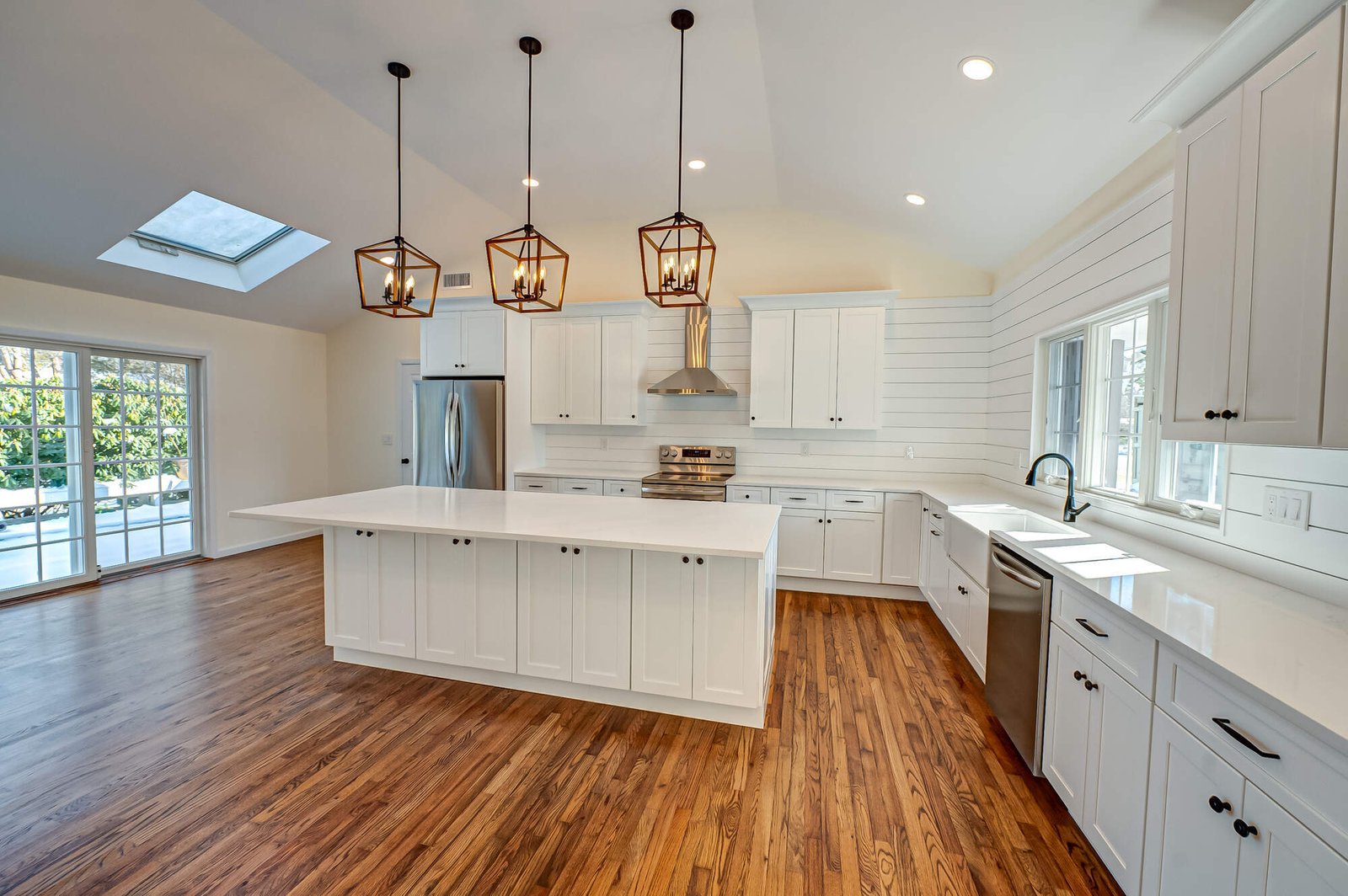
Financing, Budgeting & Planning Your Home Remodel: A Guide for First-Time Homeowners
Greetings on making the thrilling decision to remodel your house! A well-thought-out redesign may be a game-changer, whether your goal is to modernize your living area, raise the value of your house, or just make it more useful. However, planning, budgeting, and financing may be difficult, particularly for first-time homeowners. Macuman Renovations has covered all necessary points, so do not worry!
Prioritize Needs Against Wants.
Needs essential upgrades to address functional issues such as leaky plumbing and malfunctioning applicances.
- Enhance safety (electrical upgrades, structural fixes).
- Improve liability (insulation, heating, and coolings
- Wants: Additions that enhance aesthetics, such as new fixtures and paint.
- Increase convenience (smart home features, additional storage)
- Enhance enjoyment (outdoor spaces, entertainment places).
Focus on needs first, then allocate budget for wants.
- Establish Your Objectives: What do you hope to accomplish?
- Make a schedule: Give yourself reasonable deadlines.
- Select Your Group: Employ trustworthy contractors or do it yourself.
- Approvals and Permits: Verify local laws.
- Implementation: Continue to participate and interact with your team.
Why Planning and Budgeting Matter?
choosing tiles, fixtures, and colors—let’s talk about the foundation of a successful remodel: planning and budgeting.
A clear plan helps you:
- Set realistic expectations
- Avoid costly surprises
- Stay on track financially and timeline-wise
Financing Options:
Funding Your Dream Remodel How will you finance your remodel? Here are some popular and demanding options:
- Home Equity Loan: Borrow against your home’s equity
- Personal Loan: Unsecured loans with fixed interest rates
- Savings: Use your own savings (the simplest option!).
- Credit Cards: For smaller projects or emergencies
- Government Grants: This is also very important. Check if you’re eligible for home improvement grants.
Set Budgeting Correctly:
Tips for First-Timers
- Assess Your Finances: Determine how much you can afford.
- Prioritize must-haves over nice-to-haves.
- Get Quotes: Compare costs from different contractors.
- Contingency Fund: Set aside 10-20% for unexpected expenses.
- DIY vs. Hiring: Determine what you can do yourself.
Priorities, schedules, and implementation
Communicate openly. Schedule regular check-ins with your contractor to discuss progress, address problems, and make any necessary revisions.
Think long-term. Improve functionality and increase energy efficiency.
Increase visual attractiveness.
- It will boost your home’s resale value and deliver a higher return on investment.
- Be flexible and patient. Renovations bring unanticipated obstacles. Stay adaptive and remember:
Flexibility is essential. – Patience pays off. – Your ideal home is worth the wait.
- Discuss progress, address issues, and make necessary modifications with family and contractors likeMacuman Renovations.
- Think long-term. Improve functionality and increase energy efficiency.
Increase visual attractiveness.
- It will boost your home’s resale value and deliver a higher return on investment.
- Be flexible and patient. Renovations bring unanticipated obstacles. Remember to be flexible and patient and know that your dream home is worth the wait.
Tips for Avoiding Common Pitfalls:
Underestimating expenses, disregarding permits and laws, prioritizing style over utility, and failing to plan for interim living arrangements.
Final Tips:
- When in doubt, start small and conduct thorough research.
- Maintain flexibility and patience.
Want to know more detail? Let’s schedule an appointment with Macuman Renovations.
Frequently Asked Questions:
Prioritize safety, functionality, and livability first. Then consider cosmetic improvements.
The amount varies, but 10-15% of your home’s value is a decent starting point.
Aim for 10-20% of your overall budget.
Budget calculators generate preliminary estimates. Consult contractors for accurate quotations.
Prioritize needs, consider gradual upgrades, and look into funding alternatives.
Keep track of your spending, contact with contractors, and make adjustments as necessary.
Add a comment